Granny Crochet Bandana: Free Pattern & Easy Tutorial
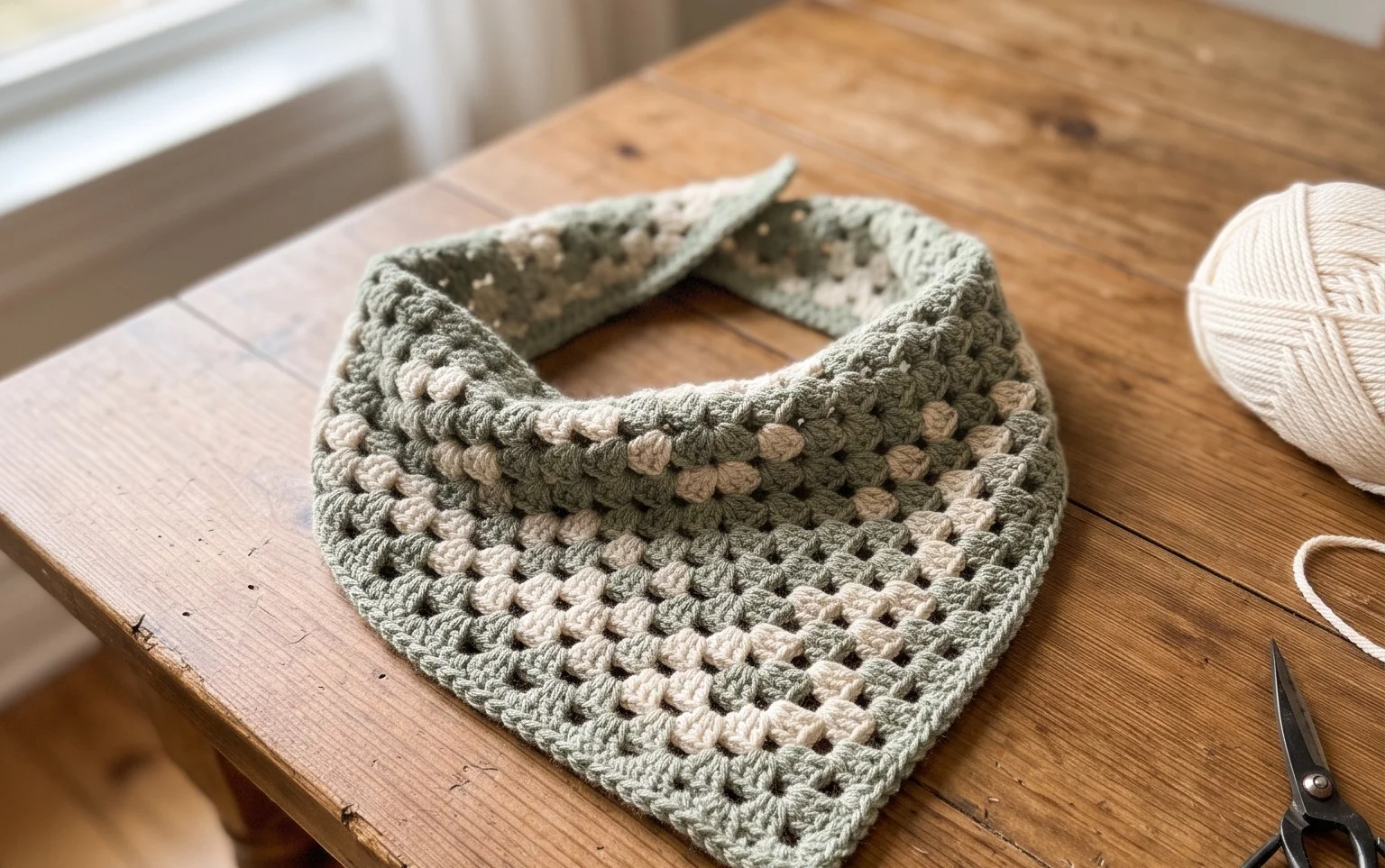
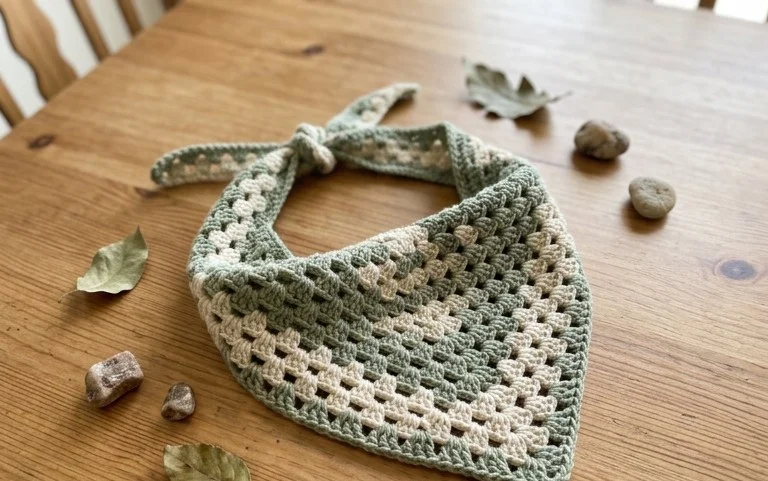
A simple triangle of cotton draped over your hair provides a light, nostalgic touch that keeps strands off your face during a windy walk. This triangle scarf features the classic granny cluster stitch, creating a lightweight yet structured accessory that feels natural and breathable against the skin. It works up in just one or two sittings, making it a reliable project for those evenings when you want to keep your hands busy while relaxing on the couch. You will learn how to maintain consistent tension while working outward from the center point to achieve a symmetrical, wearable shape.
Why You’ll Love This Pattern
This classic crochet dishcloth is designed to be the ultimate functional scrap-yarn project. It works up in under an hour, making it an ideal choice for quick gift-making or stocking up your own kitchen cabinets. The textured waffle-like pattern creates a sturdy fabric that excels at scrubbing stubborn dishes, yet it remains soft enough to rinse delicate glassware. Because it uses a simple combination of single crochet and chain spaces, you can easily memorize the repeat after only two rows. The square shape provides a satisfying, symmetrical result that maintains its structural integrity even after repeated trips through the washing machine.
I managed to finish a set of four cloths in a single weekend. They hold up much better than the thin store-bought versions and the texture really grabs onto food particles.
— Sarah, home crafter
Pattern Overview & Skill Level
- Skill Level: Beginner
- Approximate Time: 45 to 60 minutes
- Construction: Worked in rows from the bottom up with a simple turning chain border
- Finished Dimensions: 8 inches by 8 inches
Materials & Supplies Needed
- Yarn: Worsted weight (#4) 100% cotton yarn, approximately 60 yards per dishcloth. Cotton is necessary for its absorbency and heat resistance.
- Hook Size: 5.0 mm (US H-8) crochet hook.
- Notions: Yarn needle for weaving in ends and scissors.
- Safe Yarn Substitutions: Linen or hemp blends work well, though they will produce a stiffer, more abrasive cloth. Avoid acrylic yarns, as they are not absorbent and will melt if they touch hot cookware.
Stitch Guide & Abbreviations (US Terms)
- ch = chain
- sc = single crochet: Insert hook, yarn over, pull up a loop, yarn over, pull through two loops on hook.
- st(s) = stitch(es)
- sl st = slip stitch: Insert hook, yarn over, pull through both stitch and loop on hook.
- turn = turn your work to begin the next row.
Step-by-Step Pattern Instructions
Dishcloth Body
- Foundation: Ch 31.
- Row 1: Sc in the second ch from the hook and in each ch across. (30 sts)
- Row 2: Ch 1, turn. Sc in each st across. (30 sts)
- Rows 3–40: Repeat Row 2 until the piece measures 8 inches long. (30 sts)
Finishing
Fasten off your yarn, leaving a 6-inch tail. Use your yarn needle to weave the loose end back into the fabric, traveling in the direction of the stitches to ensure it stays secure during washing. Trim any remaining excess yarn close to the surface of the cloth.
Care & Washing Instructions
- Machine wash in warm water (up to 104°F) using a mild detergent without fabric softeners.
- Tumble dry on low heat or lay flat on a clean towel to dry completely.
- Reshape the square while damp by gently pulling the corners and edges to restore the original dimensions.
Pro Tips & Common Mistakes to Avoid
Maintain consistent tension throughout the project to keep the edges straight. If your tension varies, the dishcloth will likely curl or become trapezoidal rather than a perfect square. Use a stitch marker in the first stitch of every row to ensure you do not skip the last stitch, as this is the most common reason for uneven, narrowing rows. To hide your yarn ends effectively, weave them through at least three different directions within the fabric to prevent them from unraveling after a cycle in the washing machine. If you wish to make a larger cloth, simply add chains in multiples of two; remember that increasing the size will increase the total yardage needed beyond the standard 60 yards.
Frequently Asked Questions
Can I use a larger hook to make this faster?
Yes, using a larger hook will make the fabric looser and faster to work up, but it will also result in a less durable dishcloth with larger gaps. Stick to the 5.0 mm hook for the most effective scrubbing density.
Is this pattern suitable for someone who has never crocheted before?
Absolutely. This pattern utilizes only the single crochet stitch, which is the foundational building block of the craft, making it an ideal first project.
Can I sell the dishcloths I make from this pattern?
You are welcome to sell finished items made from this design. Please credit the design to this tutorial whenever possible.
How do I prevent the edges from looking wavy?
Wavy edges usually occur when your starting chain is too tight or your turning stitches are inconsistent. Ensure you work into the very last stitch of every row and maintain an even, relaxed tension.
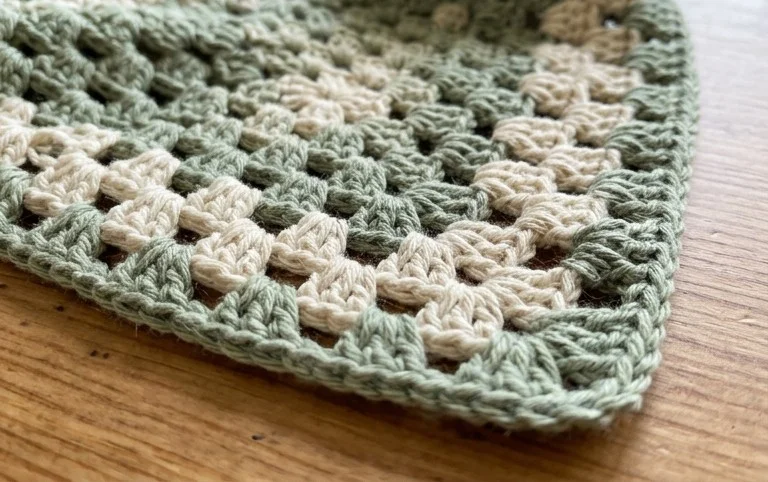
This handmade accessory adds a cozy, vintage-inspired charm to your wardrobe that mass-produced scarves simply lack. Experiment with variegated yarn to create shifting color patterns, or attach a small tassel to each corner for extra movement. Sharing a photo of your finished work helps other makers find inspiration for their own projects. Feel free to browse through the rest of the pattern collection on the blog to find your next afternoon craft session or a thoughtful gift idea for a friend.