Cinnamoroll Amigurumi: Free Beginner Crochet Pattern
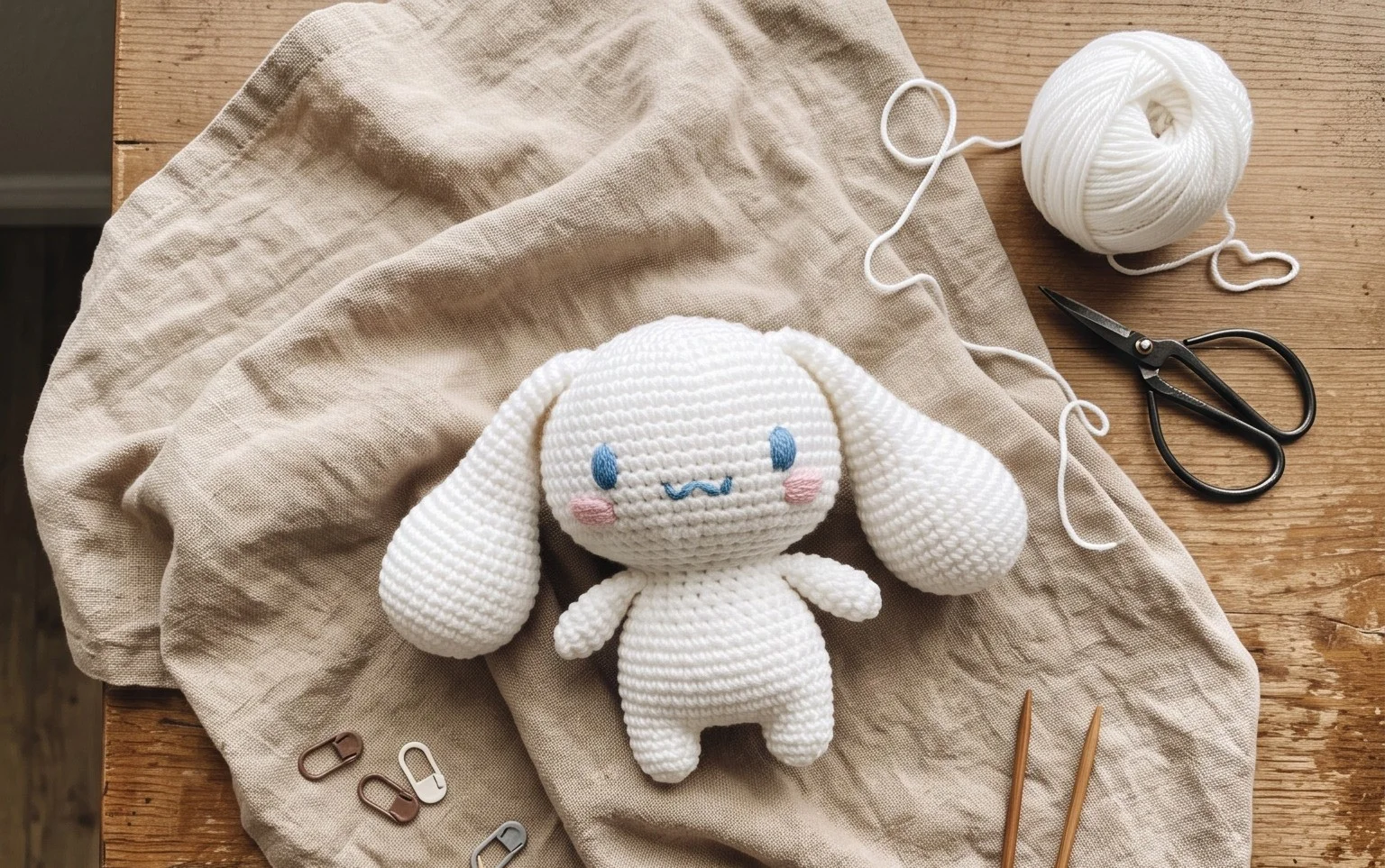
Soft white yarn and long, floppy ears make this plush toy a delight to assemble on a quiet afternoon. This project results in a huggable friend with a distinct blue bow and a friendly face that appeals to fans of classic Japanese character designs. You will learn to shape small rounds and attach limbs securely using a simple slip stitch technique. Whether you need a handmade birthday gift or a cute addition to your desk, the finished doll feels firm yet soft to the touch. It serves as a great introduction to working with light-colored worsted yarn.
Why You’ll Love This Pattern
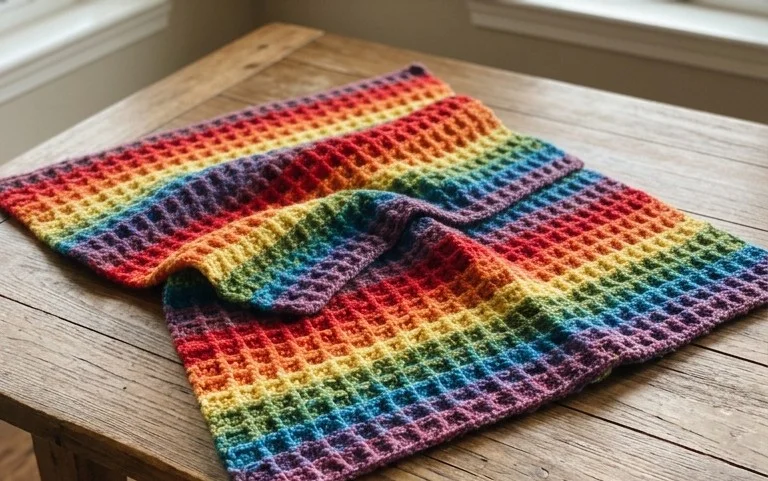
This classic crochet dishcloth is designed to be the ultimate workhorse in your kitchen. Using 100% cotton yarn provides the necessary absorbency for cleaning surfaces while maintaining a texture that scrub effectively without scratching delicate finishes. The stitch pattern features a rhythmic, repeating sequence that is easy to memorize after just a few rows, making it a reliable project for those moments when you want to keep your hands busy while listening to an audiobook. Its square construction ensures it lays flat during use, and the simple border adds a polished look that makes these cloths suitable as handmade housewarming gifts.
I started making these for my kitchen, but they work so well I ended up crocheting an entire stack to give away to friends. The pattern is very consistent and the edges stay perfectly straight.
— Sarah, home crafter
Pattern Overview & Skill Level
- Skill Level: Beginner
- Approximate Time: 1 to 1.5 hours
- Construction: Worked in flat rows using back-and-forth turning
- Finished Dimensions & Sizing: 8 inches by 8 inches
Materials & Supplies Needed
- Yarn: Worsted weight (#4), 100% cotton, approximately 60 yards per dishcloth.
- Hook Size: 5.0 mm (US H-8).
- Notions: Tapestry needle for weaving in ends, scissors, and an optional stitch marker to keep track of row edges.
- Safe yarn substitutions: Any medium weight cotton blend will work, though 100% cotton remains the most absorbent choice. Using a synthetic fiber like acrylic will significantly reduce the water-wicking capability of the finished cloth.
Stitch Guide & Abbreviations (US Terms)
- ch: Chain
- st: Stitch
- sc: Single crochet
- dc: Double crochet
- sk: Skip
- YO: Yarn over
- Turning ch: The chain at the start of a row, which does not count as a stitch.
Step-by-Step Pattern Instructions
Main Body
The dishcloth is worked from the bottom up in a textured stitch pattern. The turning ch-1 does not count as a stitch throughout the pattern.
- Foundation: Ch 31.
- Row 1: Sc in 2nd ch from hook and in each ch across. (30 sts). Ch 1, turn.
- Row 2: *Sc in next st, dc in next st. Repeat from * across the row. (30 sts). Ch 1, turn.
- Row 3: Sc in each st across. (30 sts). Ch 1, turn.
- Row 4-35: Repeat Rows 2 and 3 until the piece measures 8 inches square.
Border & Finishing
- Final Border: Ch 1, sc evenly around the entire perimeter of the square, placing 3 sc into each corner to keep the work laying flat.
- Closing: Join with a sl st to the first sc of the round.
- Finishing: Fasten off, leaving a 6-inch tail. Use a tapestry needle to weave the tail back and forth through the stitches on the back side of the work until it is secure, then trim the excess yarn.
Care & Washing Instructions
- Machine wash in warm water (up to 104°F/40°C) with like colors.
- Tumble dry on low heat or lay flat on a towel to air dry to prevent shrinkage.
- Reshape the cloth by pulling gently on the corners while damp before drying to maintain the square dimensions.
Pro Tips & Common Mistakes to Avoid
Consistent tension is the secret to a professional-looking dishcloth. If your stitches look loose or uneven, try dropping down to a 4.5 mm hook to tighten the gauge. Always use a stitch marker at the beginning of your rows if you struggle to identify the first or last stitch of each line, as beginners often accidentally skip the final stitch, causing the sides of the cloth to slant inward. When weaving in your ends, carry the tail through at least three inches of fabric to ensure it does not unravel after repeated cycles in the washing machine. You can easily adjust the size of this project by adding or subtracting stitches in multiples of two; however, remember that a larger cloth will require more than one skein of standard 2.5-ounce cotton yarn.
Frequently Asked Questions
Can I use a larger hook for this pattern?
Yes, you can use a larger hook, but it will result in a looser, more hole-heavy fabric that may not scrub dishes as effectively. Sticking to a 5.0 mm hook or smaller is recommended for dishcloths.
Is this pattern suitable for complete beginners?
This project is ideal for beginners because it only uses two basic stitches—single crochet and double crochet—and requires no increases or decreases.
Can I sell the dishcloths I make from this pattern?
You are welcome to sell finished items made from this pattern as long as you give credit to the original designer. Do not sell or distribute the pattern document itself.
Why is my square curling at the edges?
Curling usually happens if your tension is too tight or if you have missed stitches at the end of your rows, causing the rectangle to taper. Ensure you have 30 stitches at the end of every row before turning.
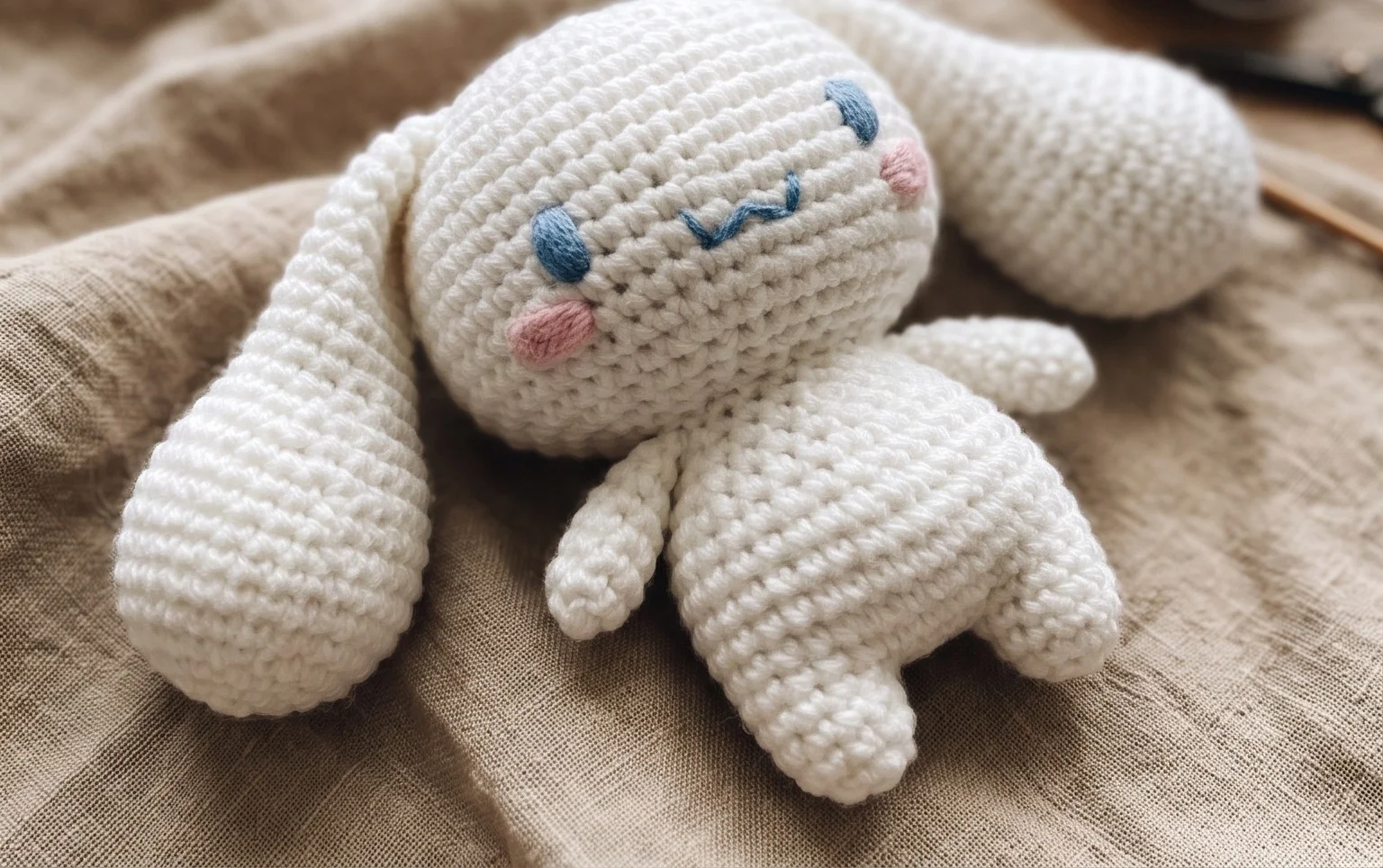
Your new stuffed companion will look lovely resting on a bookshelf or tucked into a gift basket for a friend. Try using a slightly thinner velvet yarn if you want a larger, cuddlier version of this character. I would love to see your finished work so please upload a photo to social media with your project tagged. You can find more free patterns for small toys and home accessories by browsing the full archive on my blog today. Happy crafting and I hope you enjoy your new creation.