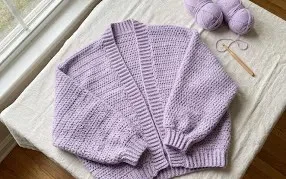
Free 12/18M Painted Canyon Cardigan Crochet Pattern
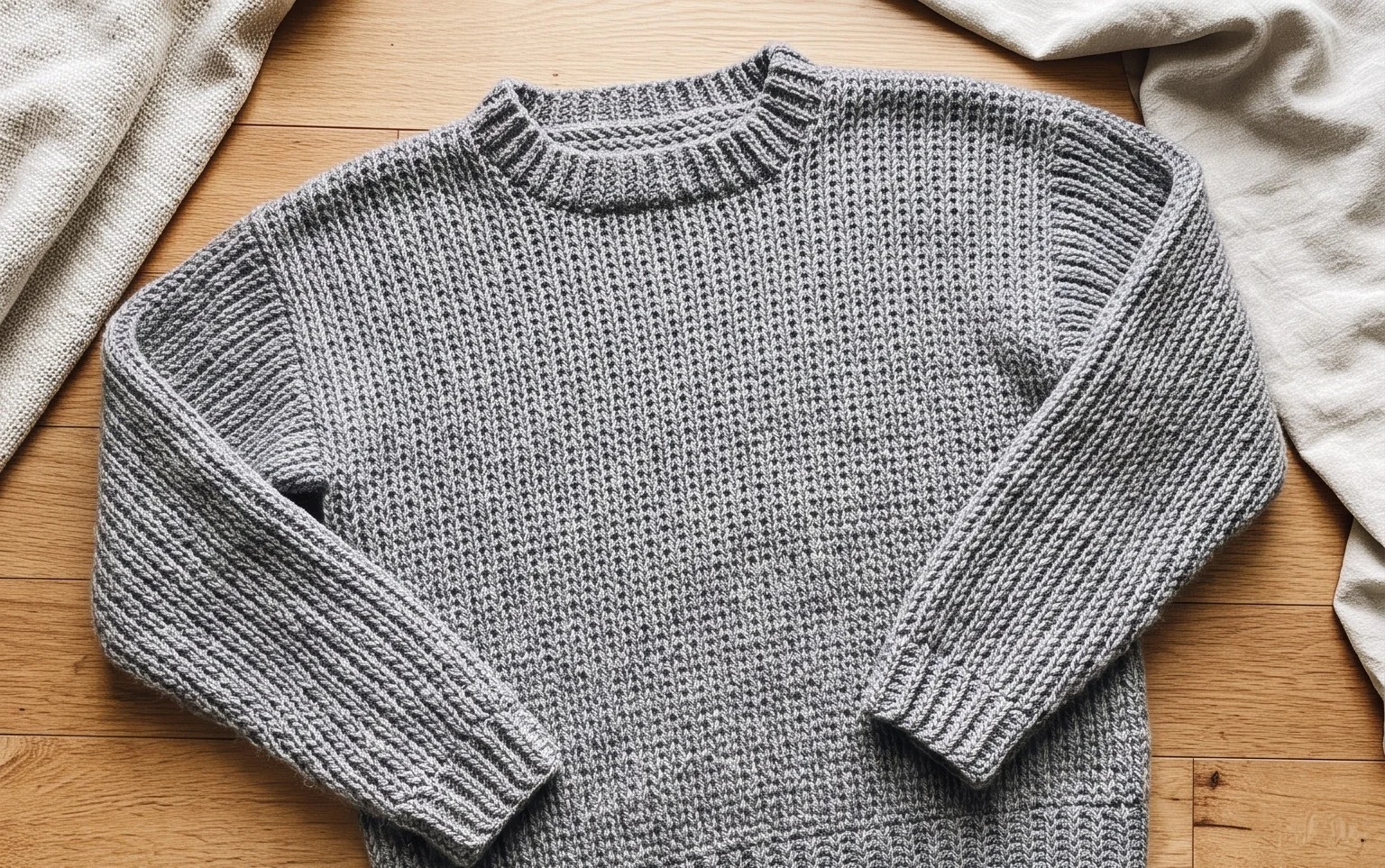
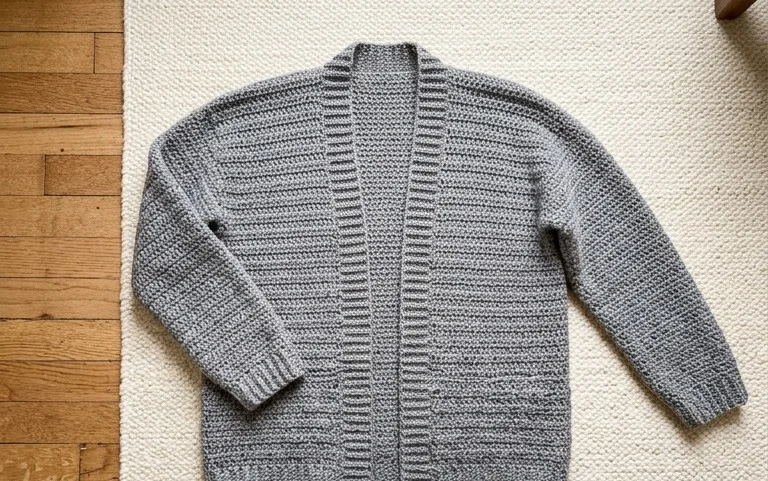
Soft yarn and canyon-inspired colors give this baby cardigan a cozy look that works for cool mornings, stroller walks, and visits with family. Sized for 12/18 months, it makes a thoughtful handmade gift that parents can layer over a onesie or a long-sleeved shirt. Beginners can take their time with the repeated stitch pattern, while experienced crocheters will enjoy seeing the pieces come together into a wearable little layer. Even makers who usually crochet home décor can enjoy a practical change of pace. In this pattern, you’ll find the materials and sizing details, along with guidance for working the fabric, shaping the cardigan, and finishing it neatly. Keep your stitch count steady, and the project is satisfying from the first rows to the final seams.
Why You’ll Love This Pattern
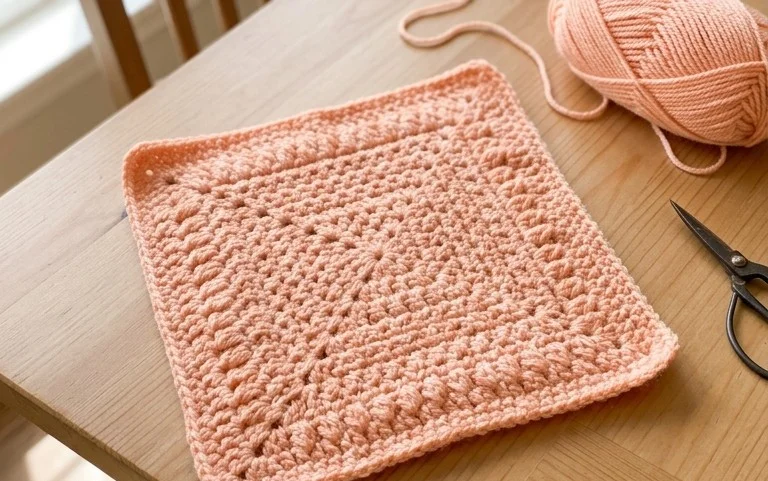
This square crochet dishcloth uses sturdy cotton yarn and rows of single crochet, so the fabric is simple to make and easy to wash. Its plain texture works well for wiping counters and drying dishes, and the small size makes it a useful project for practicing even tension.
The pattern has no shaping, color changes, or complicated repeats. You can finish it in a few hours, and a partial skein may be enough. Make one for your own kitchen or pair a few with a bar of soap for a practical handmade gift.
The rows were easy to keep track of, and my finished cloth came out square after I counted at the end of each row.
— Mara, beginner crocheter
Pattern Overview & Skill Level
- Skill Level: Beginner. You need to chain and make single crochet stitches.
- Approximate Time: Two to three hours, depending on your pace and how often you stop to count.
- Construction: A flat square worked in rows from the bottom edge upward. Turn after every row; the turning chain does not count as a stitch.
- Finished Dimensions & Sizing: About 6 × 6 inches (15 × 15 cm) at the suggested gauge. Small differences in tension will change the final size.
Materials & Supplies Needed
- Yarn: About 80–100 yards of worsted-weight cotton yarn, weight #4. One solid color is easiest for counting stitches; choose a washable cotton intended for dishcloths.
- Hook Size: 5.0 mm / H-8 crochet hook. Change hook size if needed to match the gauge or to make a fabric that feels comfortable in your hand.
- Notions: Tapestry needle for the yarn tails, scissors, and a ruler or tape measure. A stitch marker is optional for marking the first stitch of a row.
- Gauge: 5 single crochet stitches and 5 rows measure about 1 inch (2.5 cm). Gauge is measured after lightly washing and drying a small swatch.
- Substitutions: A similar-weight cotton-linen blend can work, though it may feel less soft and may drape differently. Avoid acrylic for a cloth meant to absorb water. A different yarn weight changes the finished size and may require a different hook and more or less yardage.
Stitch Guide & Abbreviations (US Terms)
- ch: Chain. Yarn over and pull the yarn through the loop on the hook.
- sc: Single crochet. Insert the hook into the stitch, yarn over and pull up a loop, then yarn over and pull through both loops.
- st / sts: Stitch / stitches.
- rep: Repeat.
For an even edge, work the first single crochet of each row into the first stitch at the base of the turning chain. The turning chain is for height only and is not included in the stitch count.
Step-by-Step Pattern Instructions
Dishcloth
With the 5.0 mm hook, make a foundation chain of 31. Keep the chain loose enough that the first row does not pull inward. If your starting edge is tight, try making the chain with a hook one size larger, then switch back to the main hook.
- Row 1: Sc in the second ch from the hook and in each ch across. Turn. (30 sts)
- Row 2: Ch 1, sc in each st across. Turn. (30 sts)
- Row 3: Ch 1, sc in each st across. Turn. (30 sts)
- Row 4: Ch 1, sc in each st across. Turn. (30 sts)
- Row 5: Ch 1, sc in each st across. Turn. (30 sts)
- Row 6: Ch 1, sc in each st across. Turn. (30 sts)
- Row 7: Ch 1, sc in each st across. Turn. (30 sts)
- Row 8: Ch 1, sc in each st across. Turn. (30 sts)
- Row 9: Ch 1, sc in each st across. Turn. (30 sts)
- Row 10: Ch 1, sc in each st across. Turn. (30 sts)
- Row 11: Ch 1, sc in each st across. Turn. (30 sts)
- Row 12: Ch 1, sc in each st across. Turn. (30 sts)
- Row 13: Ch 1, sc in each st across. Turn. (30 sts)
- Row 14: Ch 1, sc in each st across. Turn. (30 sts)
- Row 15: Ch 1, sc in each st across. Turn. (30 sts)
- Row 16: Ch 1, sc in each st across. Turn. (30 sts)
- Row 17: Ch 1, sc in each st across. Turn. (30 sts)
- Row 18: Ch 1, sc in each st across. Turn. (30 sts)
- Row 19: Ch 1, sc in each st across. Turn. (30 sts)
- Row 20: Ch 1, sc in each st across. Turn. (30 sts)
- Row 21: Ch 1, sc in each st across. Turn. (30 sts)
- Row 22: Ch 1, sc in each st across. Turn. (30 sts)
- Row 23: Ch 1, sc in each st across. Turn. (30 sts)
- Row 24: Ch 1, sc in each st across. Turn. (30 sts)
- Row 25: Ch 1, sc in each st across. Turn. (30 sts)
- Row 26: Ch 1, sc in each st across. Turn. (30 sts)
- Row 27: Ch 1, sc in each st across. Turn. (30 sts)
- Row 28: Ch 1, sc in each st across. Turn. (30 sts)
- Row 29: Ch 1, sc in each st across. Turn. (30 sts)
- Row 30: Ch 1, sc in each st across. Do not turn. (30 sts)
Finishing
Cut the yarn, leaving a tail long enough to sew in securely. Pull the tail through the last loop, then thread it onto a tapestry needle. Weave it through several stitches on the wrong side, change direction, and weave it through a few more stitches so it is less likely to loosen in the wash. Weave in the starting tail the same way. Check that the cloth measures close to a square; dampen and gently shape it if the edges curl.
Care & Washing Instructions
- Wash cotton dishcloths in warm water, up to 40°C (104°F), with like colors; follow the yarn label if it gives a lower limit.
- Lay the cloth flat to dry, smoothing the corners and edges while it is damp.
- Reshape it after washing and allow it to dry fully; block lightly if the edges need straightening.
Pro Tips & Common Mistakes to Avoid
- Keep tension steady: Cotton has less stretch than many acrylic yarns. If the chain edge feels much tighter than the rows, loosen your chain or use the larger hook just for the foundation chain.
- Count before turning: Check for 30 stitches at the end of each row. A marker in the first stitch can help you avoid missing the last stitch, which is easy to overlook at the turning edge.
- Hide tails securely: Weave each end through the backs of several stitches, then change direction. Avoid cutting the tail right beside the fabric, where repeated washing can work it loose.
- Adjust size thoughtfully: Add or remove foundation chains to change the width, and work more or fewer rows to change the height. Every added stitch and row uses more yarn; make a small gauge swatch first if you need a particular finished size.
Frequently Asked Questions
Can I use a different yarn than cotton?
A cotton-linen blend is a reasonable substitute for a washable kitchen cloth, but it may have less absorbency or a different drape. Acrylic can be used for a practice square, though it is not the best choice when you want the cloth to soak up water. Check the yarn label for washing instructions.
How can I make the dishcloth larger or smaller?
Change the starting chain to adjust the width, keeping an even stitch count after the first row. Add or remove rows to adjust the height. The finished size and yarn use will change, so measure as you work rather than relying only on the number of rows.
Is this dishcloth suitable for a beginner?
Yes. It uses only chains and single crochet stitches, with no increases or decreases. The main point to watch is the first and last stitch of each row; count 30 stitches before turning to keep both edges straight.
May I sell dishcloths made from this pattern?
Check the designer’s terms before selling finished items, and follow any conditions about credit or online listings. If you sell handmade goods, describe the fiber and washing instructions accurately so buyers know how to care for the cloth.
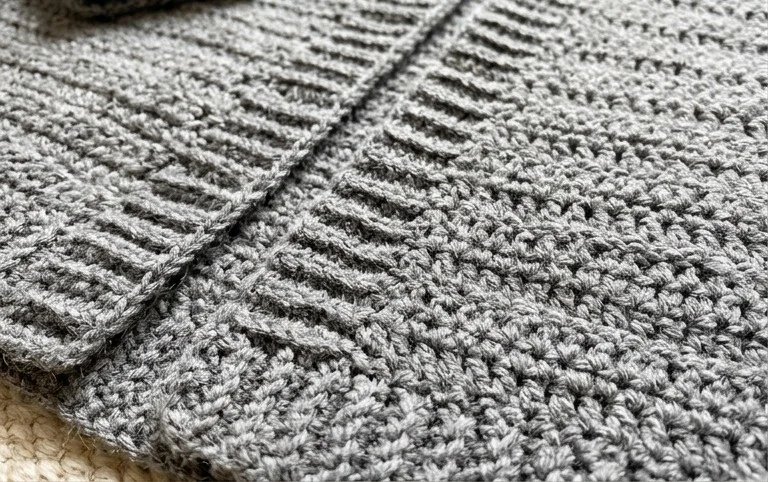
Once the last seam is finished, you’ll have a small, useful cardigan with the warmth and character of a handmade layer. Check that the sleeves and edges sit comfortably, then weave in every yarn tail so little fingers cannot catch them. For a simple variation, choose a single soft color instead of canyon-inspired shades while keeping the same pattern and size. If you make one, share a photo on Pinterest or your favorite social platform; seeing your color choices is a lovely way to inspire other makers. When you’re ready for another project, explore the blog’s collection of free crochet patterns for more ideas to make and give.