27 Fun Crochet Coasters: Easy Patterns for Beginners
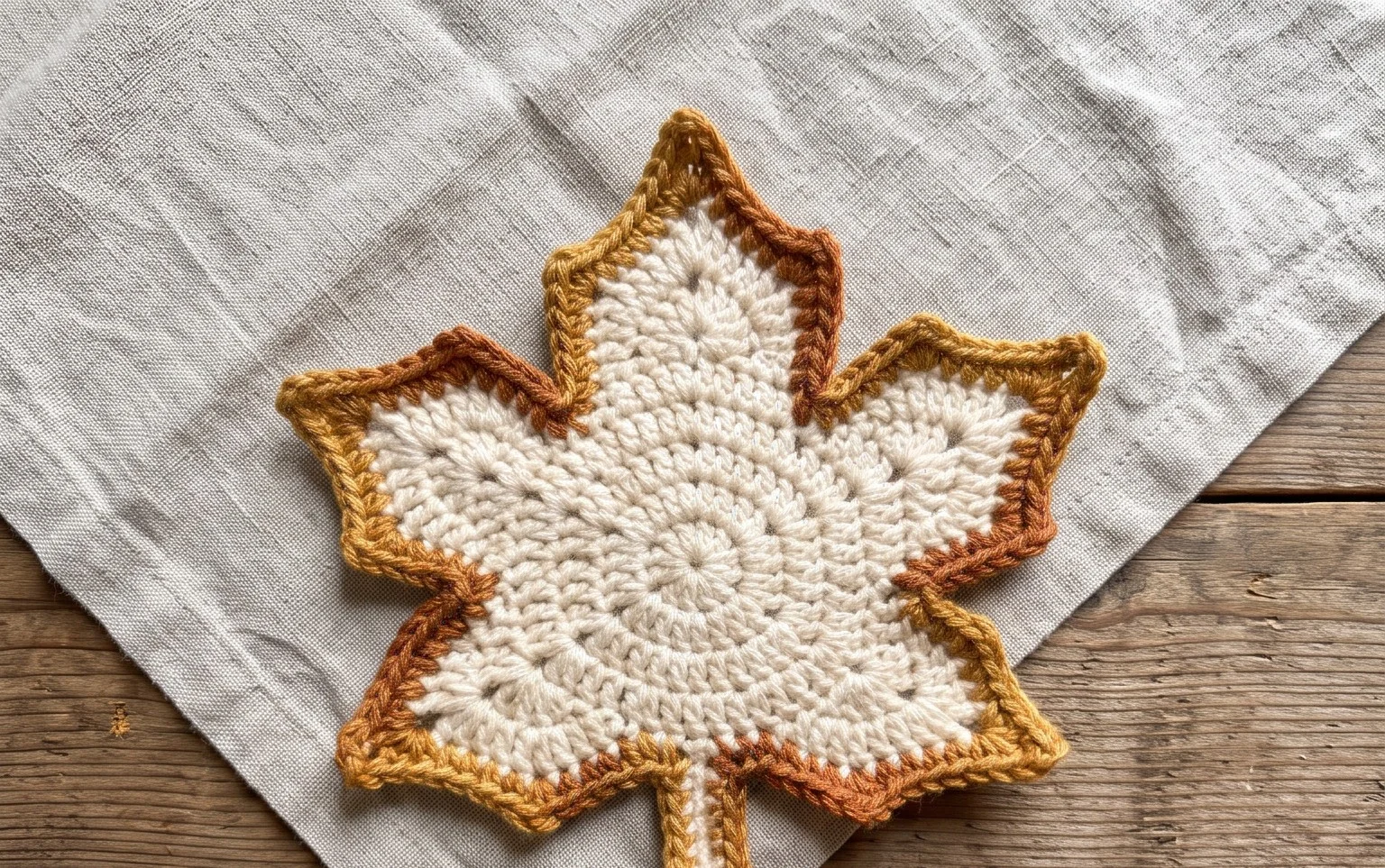
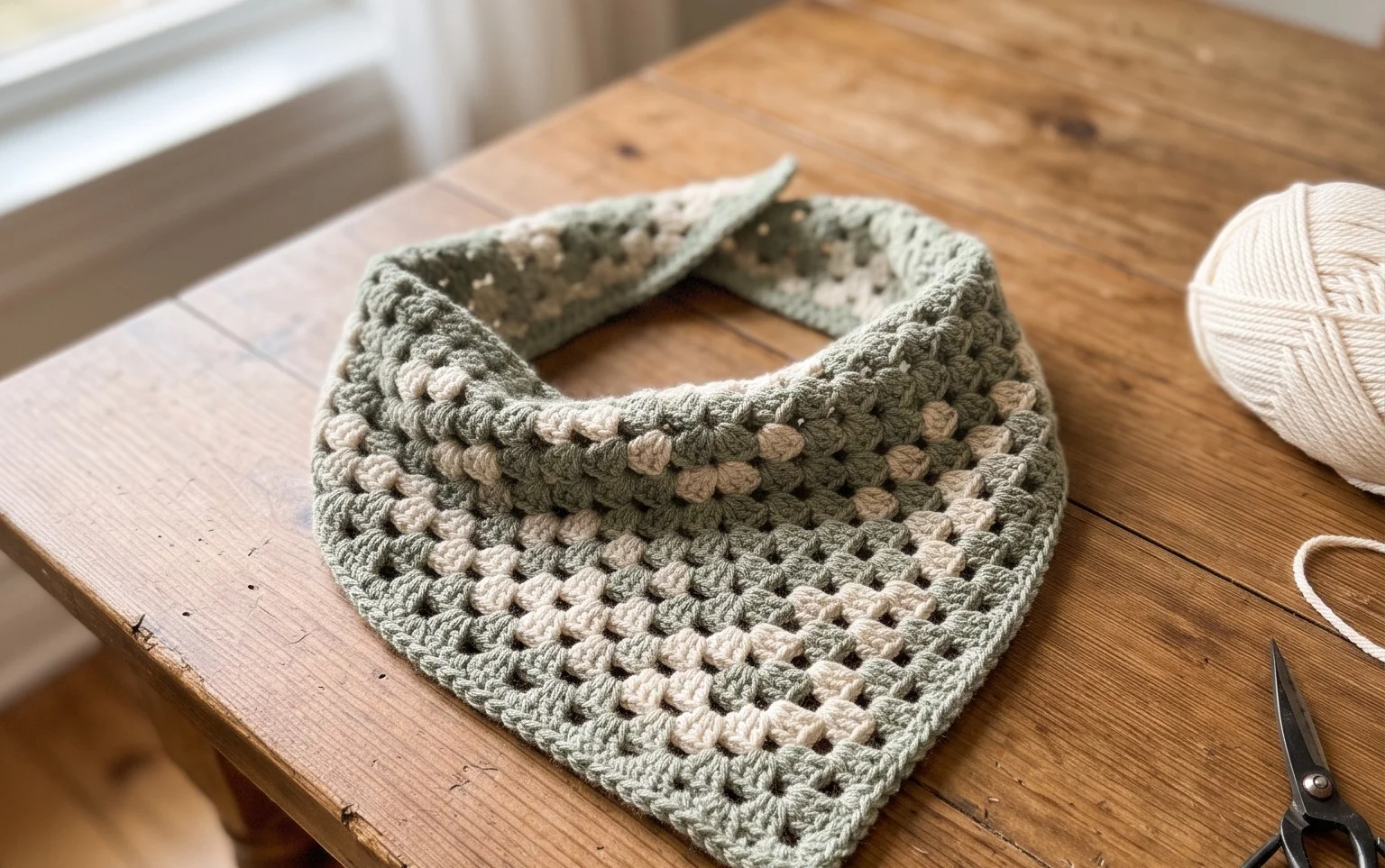
A crochet coaster can turn a plain mug or dinner setting into a small spot of color, with soft cotton yarn and stitches that feel good in your hands. These 27 designs range from simple shapes to playful motifs, so beginners can find a manageable first project and experienced makers can pick up a quick gift idea. The finished coasters are light, useful, and easy to stack beside the kettle or set around the table. As you browse, you’ll find ideas for working in rows or rounds, adding texture with familiar stitches, and using color changes to bring each design to life. A few scraps of cotton can become a cheerful set, and most projects are small enough to finish in an evening. Choose a favorite style and make it your own.
Why You’ll Love This Pattern
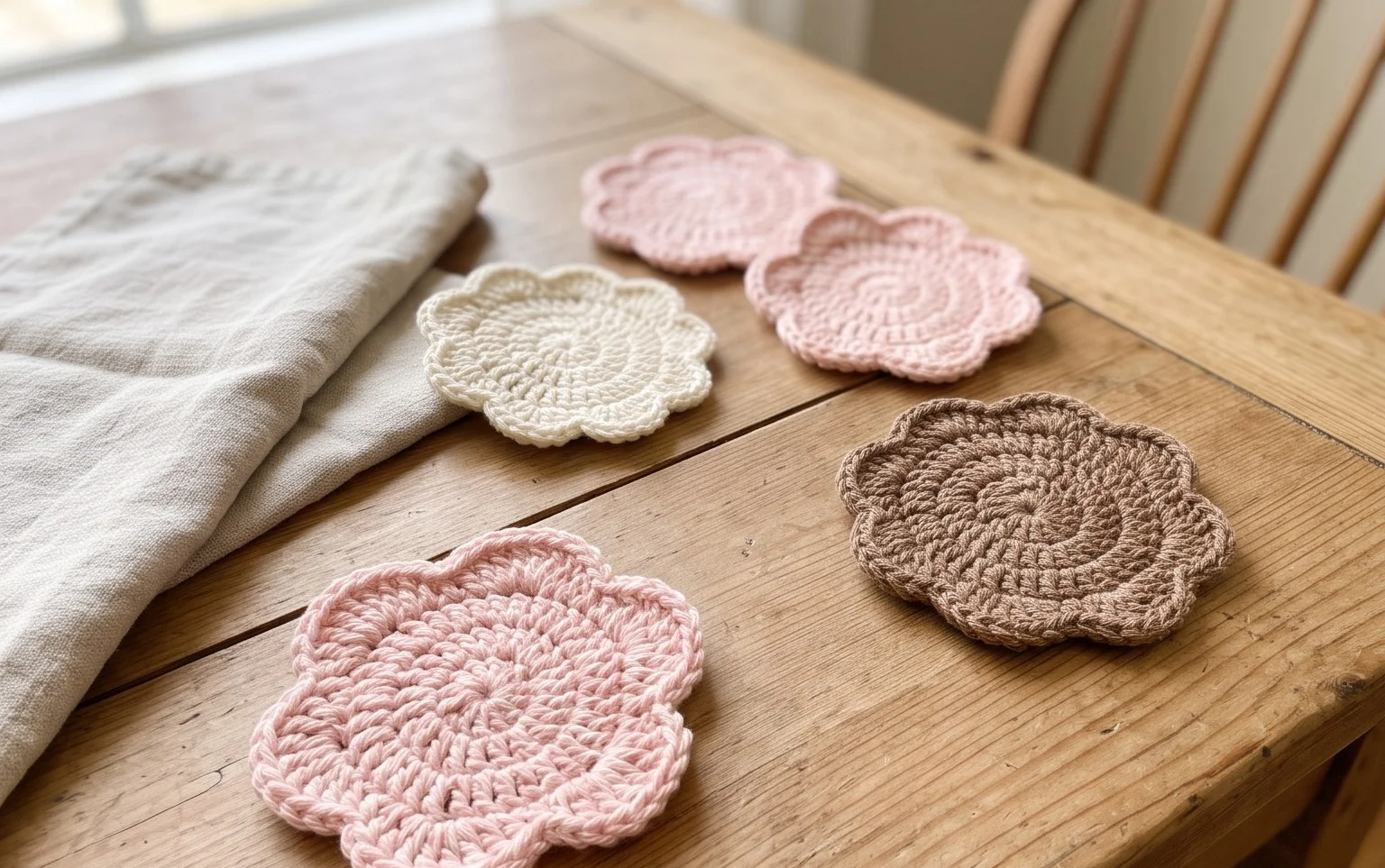
Plain cotton yarn and a square of single crochet make this dishcloth a useful first project. The fabric is firm enough for everyday kitchen use, and the repeated rows give you practice keeping an even edge without needing to learn several stitches at once.
The pattern uses about 70–90 yards of worsted-weight cotton, so a partial skein may be enough. Its simple shape also makes it easy to finish in an evening or split into a few short sessions. Make a set in the same color for a coordinated stack, or use separate colors to tell cloths apart.
The rows were easy to follow, and my cloth came out flat after I washed and dried it.
— Mara, sample maker
Pattern Overview & Skill Level
- Skill Level: Beginner. You need to know how to chain and single crochet.
- Approximate Time: 2–3 hours, depending on your pace and how often you pause to count.
- Construction: A flat square worked in rows from the bottom edge upward. There is no separate border or seaming.
- Finished Dimensions & Sizing: About 7.5 × 7.5 inches (19 × 19 cm) after washing, based on the gauge below. Small differences in tension may change the finished size.
For the stated size, aim for a gauge of 16 single crochet stitches and 16 rows in a 4-inch (10-cm) square. Make a small swatch if you want to check your tension before starting. The cloth is still usable if your gauge differs; it will simply finish larger or smaller.
Materials & Supplies Needed
- Yarn: 70–90 yards of worsted-weight (#4) 100% cotton yarn. One solid color is enough; choose a smooth, tightly spun cotton that can handle regular washing.
- Hook Size: 5.0 mm / H-8 crochet hook. Use the hook that gives you the target gauge, even if that differs from the label recommendation.
- Notions: Tapestry needle for weaving in the tail, scissors, and a ruler or tape measure for checking gauge. A stitch marker is optional for marking the first row.
- Substitutions: A cotton-linen blend can work, though it may feel less soft and drape differently. Cotton yarn in a lighter or heavier weight changes the cloth’s dimensions and thickness; use a hook suited to the yarn and expect different yardage and gauge.
Acrylic yarn is not the best choice for a kitchen cloth because it can feel less absorbent and may not tolerate the same care as cotton. Check the yarn label before substituting, especially if you plan to wash the finished cloth in hot water.
Stitch Guide & Abbreviations (US Terms)
- ch: chain. Yarn over and pull through the loop on the hook.
- sc: single crochet. Insert the hook into the stitch, yarn over and pull up a loop, then yarn over and pull through both loops on the hook.
- st / sts: stitch / stitches.
- RS / WS: right side / wrong side of the fabric. Since this cloth is reversible, either face can be treated as the right side.
The turning chain at the start of each row does not count as a stitch. Work the first single crochet into the first stitch of the row, not into the turning chain.
Step-by-Step Pattern Instructions
Dishcloth
- Foundation: Ch 31. Keep the chain loose enough that the lower edge does not pull in.
- Row 1: Sc in the second ch from the hook and in each ch across. Turn. (30 sts)
- Rows 2–30: Ch 1, sc in each st across, then turn. The turning ch does not count as a stitch. (30 sts each row)
After Row 30, check that the cloth is close to square. Fasten off, leaving a tail of about 6 inches (15 cm). Thread the tail onto a tapestry needle and weave it through the backs of several stitches. Change direction once, then trim the remaining yarn close to the fabric without cutting any stitches.
Wash and dry the cloth according to the yarn label before using it. Cotton can relax or change shape slightly after its first wash, so measure the finished piece after it is dry rather than while it is still damp.
Care & Washing Instructions
- Wash cotton in warm water, up to 40°C (104°F), with like colors; follow the yarn label if it gives a lower limit.
- Tumble dry on low or lay flat to dry, then smooth the edges while the cloth is damp.
- Reshape the square by hand after washing; blocking is usually not needed for a dishcloth.
Pro Tips & Common Mistakes to Avoid
- Keep the edges relaxed: A tight foundation chain can make the bottom narrower than the rest of the cloth. If your first row pulls inward, restart with a larger hook just for the chain or make each chain more loosely.
- Count across each row: Check for 30 single crochet stitches before turning. It is easy to miss the last stitch at the far edge or accidentally work into the turning chain, which can make the sides slant.
- Mark your progress: Place a removable marker in the first stitch of a row if you lose track of the edge. This is worked flat, not in rounds, so move the marker up as you go.
- Adjust size with care: To make a wider cloth, chain more stitches; to make it taller, work more rows. Add stitches in the foundation chain for width and rows for height, and allow extra yarn for a larger finished cloth. Keep the foundation chain one stitch longer than the number of stitches you want in Row 1.
Frequently Asked Questions
Can I use a different cotton yarn weight?
Yes. A lighter yarn makes a thinner, usually smaller cloth, while a heavier yarn makes a thicker, larger one. Choose a hook that gives a fabric with some firmness but still lets the hook pass easily through each stitch. Yardage and finished dimensions will differ from the pattern estimate.
How can I make the dishcloth larger or smaller?
Change the foundation chain to alter the width and change the number of rows to alter the height. Keep one fewer single crochet than the number of chains in the foundation, because the first chain is skipped when you begin Row 1. A bigger cloth uses more yarn and takes longer to dry.
Is this pattern suitable for a first crochet project?
Yes. It uses only chains and single crochet stitches, with the same stitch count on every row. The main skills to practice are making a neat foundation chain and working into the last stitch at each edge. If your sides are uneven, count the stitches before turning.
Can I sell dishcloths made from this pattern?
Check the designer’s terms before selling finished items, and follow any credit or labeling requirements. If you sell the cloth, include accurate fiber-care information from your yarn label so buyers know how to wash it.
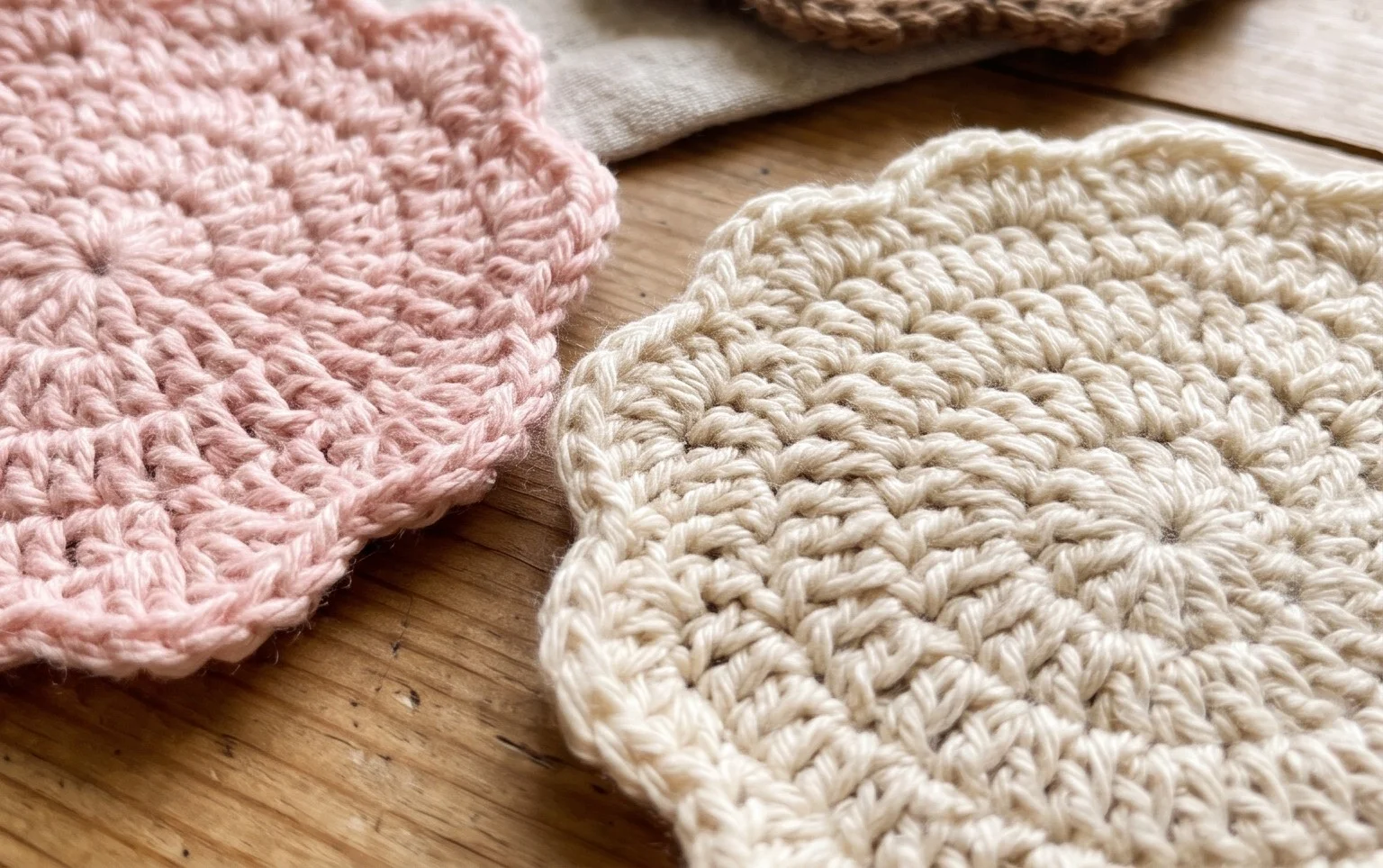
A small stack of handmade coasters adds a personal touch to a coffee break, family meal, or gift basket, and each one gives you a useful way to practice crochet. Try one design in several colors for a coordinated set, or change the yarn shade to suit a favorite mug or table setting. Cotton is a practical choice because it handles everyday use and can be washed when needed. When your coasters are finished, share a photo on Pinterest or your favorite social media platform; seeing the colors and stitch details may give another maker an idea. Then browse more free crochet patterns on the blog for your next small project.